

Benefits of Regular Oil Changes for Tampa Bay Drivers: How to Protect Your Engine and Save Costs
By Matt Gentile, Tampa Bay Quick Lube
Regular oil changes are a critical component of vehicle maintenance that every Tampa Bay driver should prioritize. These essential maintenance services not only ensure optimal engine performance but also contribute significantly to the longevity of your vehicle. In this comprehensive guide, readers will discover the numerous benefits of routine oil changes, the impact of Tampa Bay’s unique climate on oil needs, and how timely services can save costs in the long run. The article will delve into the specifics of oil types, scheduling recommendations, and the advantages of financing options for car maintenance, especially for the Tampa Bay region.
Why Are Regular Oil Changes Essential for Tampa Bay Vehicles?
Regular oil changes are vital to maintaining the health and performance of vehicles, particularly in the climate conditions prevalent in Tampa Bay. Oil serves multiple functions, including lubricating engine parts, cleaning internal components, and insulating against heat. Over time, engine oil can degrade, leading to increased friction, wear, and potential engine damage. By adhering to a routine oil change schedule, drivers can improve engine performance, reduce maintenance costs, and prolong vehicle lifespan.
For Tampa Bay residents, understanding the need for frequent oil changes is essential due to the area’s humid and warm climate. These conditions tend to accelerate oil degradation, highlighting the significance of maintaining an effective maintenance schedule. Schedule your oil change service with local providers like Tampa Bay Quick Lube to ensure your vehicle stays in peak condition.
How Does Tampa Bay’s Climate Affect Oil Change Needs?
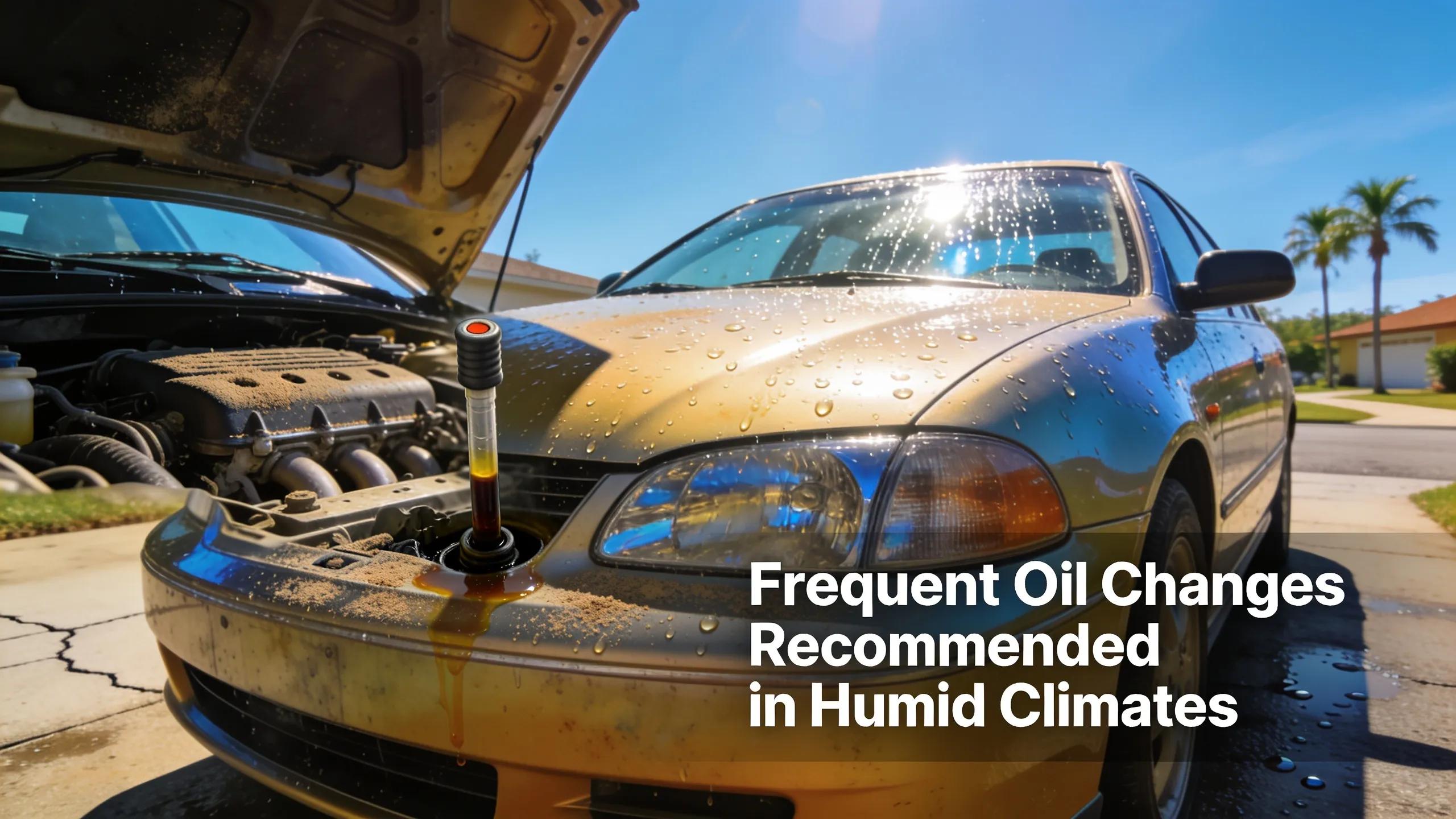
The humid and often hot climate of Tampa Bay significantly impacts the frequency with which drivers should have their oil changed. High temperatures can cause engine oil to break down more quickly, losing its effectiveness in lubricating engine components. Moreover, the salty air near coastal areas can lead to additional wear and tear on vehicles.
Due to these factors, it is advisable for Tampa Bay drivers to consider more frequent oil changes compared to regions with milder climates. For optimal engine performance, drivers should regularly monitor oil viscosity and condition, adjusting their maintenance schedule accordingly to account for local weather conditions.
What Engine Protection Benefits Result from Timely Oil Changes?
Timely oil changes yield several important protective benefits for your engine. One of the primary advantages is the prevention of engine wear. Fresh oil ensures that engine components remain well-lubricated, which helps mitigate friction and reduces wear over time. This proactive approach can prevent costly major repairs that may arise from neglecting routine maintenance.
Furthermore, regular oil changes help enhance engine performance by facilitating efficient operation. Clean oil maximizes engine efficiency, often resulting in improved fuel economy. By committedly scheduling oil changes, vehicle owners not only protect their engine but also contribute to smoother driving experiences and better overall vehicle reliability.
What Are the Differences Between Synthetic and Conventional Engine Oils?
Understanding the differences between synthetic and conventional engine oils is crucial for making informed decisions about vehicle maintenance. Each type of oil has distinct characteristics that can affect engine performance and longevity.
Synthetic oils provide superior performance, particularly for high-performance vehicles, while conventional oils are often more cost-effective for routine driving situations. Drivers should choose the type that aligns with their driving habits and vehicle requirements.
Why Choose Synthetic Oil for Tampa Bay Driving Conditions?

Synthetic oil offers numerous advantages that make it an excellent choice for Tampa Bay drivers. One significant benefit is its superior performance in extreme temperatures. Unlike conventional oil, synthetic oil retains its viscosity and effectiveness, even in the high heat often found in Florida’s climate. This consistency in oil performance translates to better protection for the engine.
Moreover, synthetic oils generally last longer and can withstand more prolonged intervals between changes. This feature makes them a cost-effective option over time, despite a slightly higher initial cost. Tampa Bay drivers can enjoy extended oil change intervals, reduce waste, and maintain optimal engine performance.
How Do Conventional Oils Suit Routine Vehicle Use?
Conventional oils can still be a suitable choice for many vehicles, particularly those that undergo regular commuting and light driving conditions. They provide satisfactory lubrication for engines used primarily under normal operating conditions, offering an economical option for everyday drivers.
For vehicles that don’t require high-performance oils, conventional oils offer affordability and adequate protection—ideal for many Tampa Bay residents engaging in routine vehicle use. It is essential, however, to adhere to regular oil change intervals to prevent wear and maintain engine health.
How Often Should Tampa Bay Drivers Schedule Oil Changes?
The frequency with which drivers should schedule oil changes depends on several factors, including the type of oil used and driving conditions. Generally, Tampa Bay drivers should aim for an oil change every 3,000-5,000 miles for conventional oils and every 7,500-10,000 miles for synthetic oils.
Additionally, local driving conditions can affect these intervals. If frequently driving in heavy traffic or on short trips, reducing the interval may be wise as engines may not reach optimal operational temperatures, leading to condensation and sludge buildup.
What Are Recommended Oil Change Intervals for Synthetic vs Conventional Oils?
When determining appropriate oil change intervals, it’s essential to consider the type of oil being used. The following guidelines apply:
Adhering to these intervals helps ensure the longevity and efficiency of the vehicle’s engine, mitigating the risk of damage due to degraded oil.
Which Signs Indicate It’s Time for an Oil Change?
Drivers should be vigilant in recognizing the signs that indicate it’s time for an oil change. Common indicators include:
- Oil Change Light: Many modern vehicles are equipped with an oil change indicator that alerts drivers when it’s time for maintenance.
- Oil Color and Texture: Checking the oil on the dipstick can reveal if it’s dark, gritty, or has a burnt smell, suggesting that it needs replacing.
- Engine Noises: If the engine makes unusual noises or operates less smoothly than before, it may indicate that the oil is old and less effective.
By regularly monitoring these signs, drivers can ensure their vehicles remain in optimal condition.
How Do Regular Oil Changes Improve Fuel Efficiency and Engine Performance?
Maintaining a routine schedule of oil changes significantly enhances fuel efficiency and overall engine performance. Fresh oil ensures that the engine operates smoothly, reducing internal friction, which can drain power and increase fuel consumption. Regular oil changes can lead to noticeable improvements in gas mileage.
Additionally, clean oil facilitates better heat dissipation and engine cooling, contributing to overall engine efficacy. This combination of benefits makes timely oil changes a straightforward yet effective way to enhance vehicle performance.
What Impact Does Oil Quality Have on Vehicle Longevity?
The quality of the engine oil used plays a crucial role in the longevity of the vehicle. High-quality oils, particularly synthetics, contain superior additives that enhance engine protection against wear, sludge, and thermal breakdown. Using quality oil not only prolongs the life of engine components but also diminishes the need for costly repairs down the road.
In contrast, subpar oils may lead to increased engine wear and reduced operational efficiency, which can ultimately shorten vehicle lifespan. Investing in quality oil is a proactive strategy for prolonging vehicle reliability and performance.
What Financing Options Does Tampa Bay Quick Lube Offer for Vehicle Maintenance?
Financing options can ease the burden of vehicle maintenance costs, including oil changes. Tampa Bay Quick Lube offers flexible financing plans designed to help drivers maintain their vehicles without immediate financial strain. By providing payment options tailored to individual needs, Lube ensures that quality maintenance is accessible for all Tampa Bay residents.
How Can Drivers Apply for Maintenance Financing Easily?
A comprehensive understanding of the financial aspects of vehicle ownership, including maintenance, can provide clarity on managing these costs effectively.
Total Cost of Vehicle Ownership and Operation
This study considers vehicle cost and depreciation, financing, fuel costs, insurance costs, maintenance and repair costs, taxes and fees, and other operational costs to formulate a holistic total cost of ownership and operation of multiple different vehicles. Comprehensive total cost of ownership quantification for vehicles with different size classes and powertrains, 2021
Tampa Bay Quick Lube makes applying for maintenance financing a straightforward process. Drivers can initiate their application either online or in-store. Required information typically includes income details, identification, and identification of their regular monthly expenses. This simple application process allows drivers to focus on their vehicle maintenance rather than financial concerns.
How Can Tampa Bay Drivers Schedule Their Oil Change Service Conveniently?
Tampa Bay drivers have several convenient options for scheduling their oil change services. They can book appointments online through the Tampa Bay Quick Lube website, allowing them to select times that best fit their schedules. Additionally, phone scheduling is available for drivers who prefer direct communication.
Walk-in services are also offered for those who may not have the opportunity to schedule ahead of time. This flexibility ensures that maintaining your vehicle is as convenient as possible.
What Are the Steps to Book an Oil Change Online or by Phone?
Scheduling an oil change can be completed in just a few simple steps:
- Visit the Tampa Bay Quick Lube website or call (813) 374-1634.
- Choose a date and time that suits your availability.
- Provide necessary vehicle information to the representative or fill out the online booking form.
This efficient process makes it easier for drivers to maintain their vehicles without hassle.
What Customer Support is Available for Service Scheduling?
Tampa Bay Quick Lube provides robust customer support to assist with service scheduling. Drivers can reach out via phone for any queries, including appointment confirmations or rescheduling. Furthermore, the website features detailed information about services, helping customers make informed choices about their vehicle maintenance needs.