

Why Regular Oil Changes Enhance Engine Performance for Florida Drivers
By Matt Gentile, Tampa Bay Quick Lube
Regular oil changes are vital for maintaining optimal engine performance, especially in Florida’s unique climate. In this warm weather state, engines can experience increased wear due to higher temperatures and humidity levels. This article explores how routine oil changes impact vehicle reliability, enhance fuel efficiency, and ensure that engines operate at their best. Understanding the mechanics behind oil degradation, particularly in hot climates, can help Florida drivers appreciate the critical need for regular maintenance. We will cover the benefits of oil changes, how they extend engine life, the types of oil suitable for Florida conditions, and more. For essential vehicle services, consider visiting Tampa Bay Quick Lube.
How Does Florida’s Climate Affect Engine Oil Performance?

Florida’s climate significantly impacts engine oil performance due to its consistently high temperatures and humidity. As oil heats up, it can thin, leading to reduced lubrication capabilities, which is critical for engine parts that rely on oil for proper function. Therefore, proactive oil changes are necessary to prevent degradation and ensure effective engine lubrication. Understanding this relationship highlights the importance of regular maintenance to protect your vehicle from the adverse effects of heat.
What Role Does Heat Play in Accelerating Oil Degradation?
Heat plays a crucial role in accelerating oil degradation. High temperatures can cause engine oil to thin, which diminishes its ability to lubricate engine components effectively. This thinning can lead to increased friction and wear on moving parts, which ultimately affects engine longevity and performance. Frequent oil changes become essential in Florida’s heat to maintain optimal viscosity and ensure the engine operates smoothly.
Why Tampa Bay Driving Conditions Demand More Frequent Oil Maintenance
The driving conditions in Tampa Bay further exacerbate the need for regular oil changes. With heavy traffic, stop-and-go patterns, and high humidity, engines can face added strain. These factors encourage quicker oil breakdown and necessitate more frequent checks and changes compared to other regions. Consistently changing the oil not only safeguards the engine but also ensures better handling and overall performance during these demanding conditions.
What Are the Benefits of Regular Oil Changes for Florida Vehicles?
Regular oil changes confer several significant benefits tailored to the needs of Florida vehicles. These advantages include enhanced engine performance, improved fuel efficiency, and increased vehicle reliability. By maintaining clean, high-quality oil in the engine, drivers can experience a smoother ride and extended vehicle lifespan.
How Do Oil Changes Extend Engine Life and Prevent Wear?
Oil changes play a pivotal role in extending engine life by preventing wear and tear on critical components. Fresh oil effectively removes contaminants and sludge that accumulate over time, ensuring the engine remains well-lubricated and free from harmful additives. This preventative measure not only minimizes the risk of breakdown but also contributes to lower long-term maintenance costs.
How Regular Oil Changes Enhance Vehicle Fuel Efficiency and MPG
Regularly changing engine oil is directly linked to enhanced fuel efficiency and miles per gallon (MPG). Clean oil reduces friction between engine parts, allowing the engine to operate more efficiently. As a result, vehicles consume less fuel under similar driving conditions, which translates to savings for drivers. In Florida, where driving can often be more demanding due to higher temperatures and traffic conditions, maintaining clean oil helps optimize overall fuel economy.
Which Types of Engine Oil Work Best for Florida Conditions?
Choosing the right type of engine oil is crucial for ensuring optimal performance under Florida’s climate conditions. Different oil types offer distinct benefits, and making an informed choice can help maintain engine health.
What Advantages Do Synthetic Oils Offer in Hot Weather?
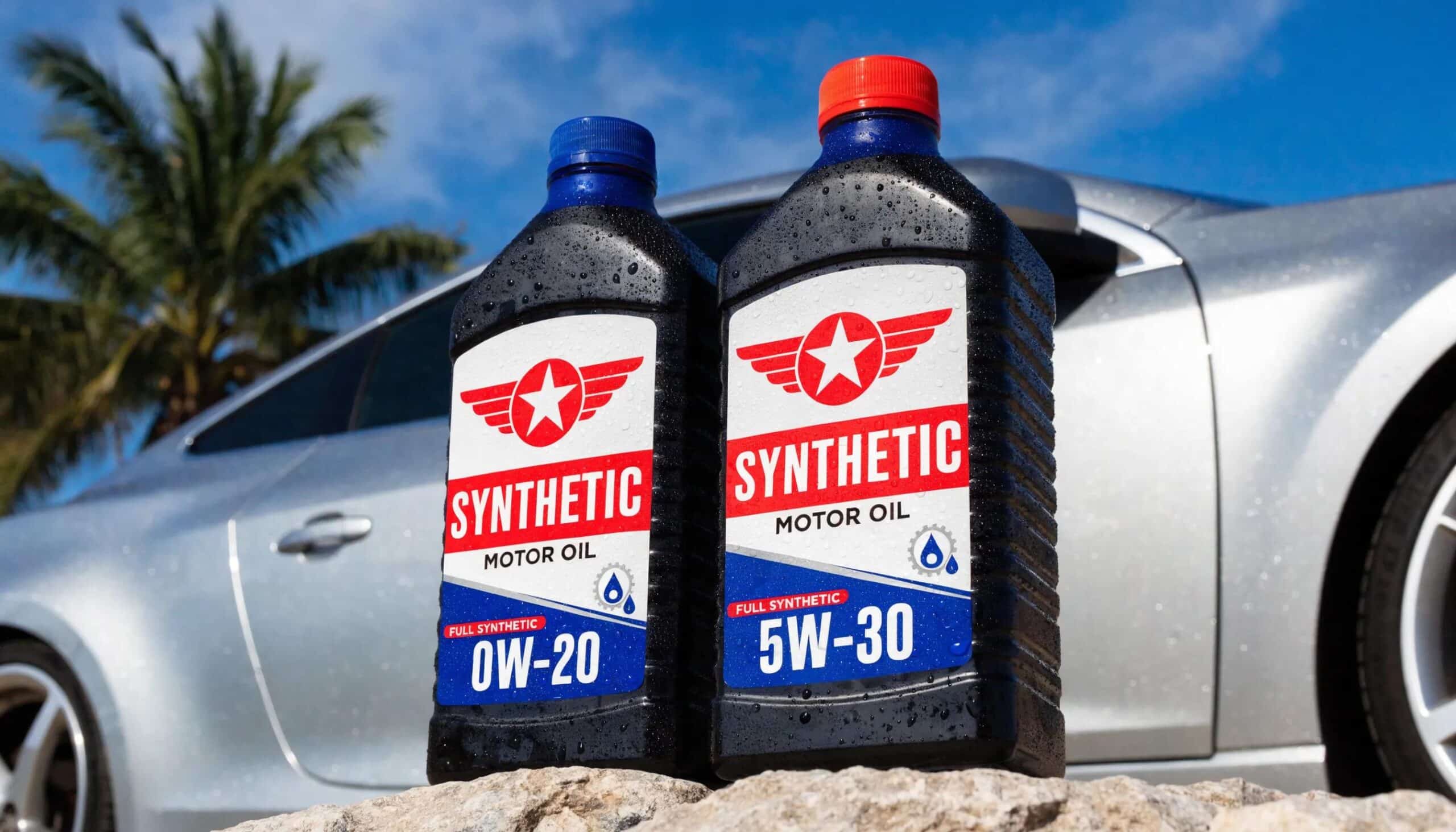
Synthetic oils provide several significant advantages in hot weather, particularly in regions like Florida. These oils have a higher resistance to thermal breakdown, ensuring that they maintain their protective properties even at elevated temperatures. Additionally, synthetic oils offer enhanced lubrication, which is crucial for preventing engine damage when driving in hot conditions. Overall, employing synthetic oils can lead to longer intervals between oil changes and improved engine performance.
When Is Conventional Oil Suitable for Florida Drivers?
Conventional oil can still be a viable option for Florida drivers, especially for older vehicles or those used less frequently. In specific scenarios, like light driving or for vehicles with lower performance requirements, conventional oil may suffice. However, regular oil changes remain essential to prevent the buildup of sludge and contaminants, which can adversely affect engine performance over time.
How Often Should Florida Drivers Schedule Oil Changes?
For Florida drivers, the frequency of oil changes can vary based on driving conditions and the type of oil used. Generally, following the manufacturer’s recommendations is ideal, but local climate factors can necessitate more frequent maintenance.
What Is the Recommended Oil Change Frequency for Tampa Bay Vehicles?
In Tampa Bay, it’s advisable to change synthetic oil every 5,000 to 7,500 miles and conventional oil every 3,000 to 5,000 miles. Given the area’s frequent heat and humidity, drivers might opt for shorter intervals to maintain optimal engine performance. Adhering to these schedules can help minimize wear and extend the overall life of their vehicles. To ensure you’re adhering to recommended intervals, you can book your next oil change services with us.
Which Signs Indicate It’s Time for an Oil Change?
Recognizing the signs that indicate an oil change is due is essential for maintaining engine health. Common signals include:
- Oil Color Change: If the oil appears dark and gritty, it’s time for a change.
- Unusual Engine Noises: Increased engine noise can indicate insufficient lubrication.
- Oil Pressure Warning Light: This alert may signify a serious issue with oil levels or pressure.
How Can Tampa Bay Quick Lube Support Your Engine Maintenance Needs?
Tampa Bay Quick Lube offers professional support for engine maintenance, focusing on the unique needs of local drivers. The range of services provided includes oil changes utilizing various types of oils tailored to Florida’s climate. Their customer-friendly approach emphasizes education, ensuring drivers understand the importance of maintenance. Tampa Bay Quick Lube remains committed to delivering reliable service to boost vehicle longevity and performance.
What Makes Tampa Bay Quick Lube a Trusted Family-Owned Service?
As a family-owned service provider, Tampa Bay Quick Lube prioritizes customer relationships and community engagement. Their commitment to transparency and personalized service sets them apart from corporate chains, fostering loyalty among local clients. The values held by the company contribute to a trustworthy environment for customers seeking reliable automotive care.
How to Schedule and Finance Your Oil Change with Tampa Bay Quick Lube
Scheduling an oil change at Tampa Bay Quick Lube is straightforward, whether online or via phone. Customers can benefit from financing options that help them manage maintenance costs effectively. The team is ready to provide guidance on the scheduling process, ensuring that drivers can maintain their vehicles without significant financial strain.
What Risks Come from Neglecting Regular Oil Changes in Florida?
Neglecting regular oil changes can result in severe consequences for vehicle health. Over time, old oil will lose its effectiveness, leading to increased wear on engine components and possibly resulting in costly repairs. For Florida drivers, the risks associated with skipping oil changes are amplified due to the hot climate and high driving demands.
How Does Skipping Oil Changes Affect Engine Health and Performance?
Skipping oil changes adversely affects engine health by allowing dirt and contaminants to build up. This accumulation can cause oil to thicken, leading to inadequate lubrication and increased friction among engine parts. Eventually, this can culminate in engine failure, resulting in significant repair costs and vehicle downtime. For comprehensive checks and maintenance, consider our tune-up services.
What Are the Long-Term Costs of Ignoring Oil Maintenance?
Ignoring oil maintenance can lead to long-term financial implications far exceeding the cost of regular oil changes. The potential expenses incurred from engine repairs or replacements due to negligence can represent a substantial financial burden. Investing in routine oil maintenance, especially in Florida, can save drivers significant amounts in the long run by ensuring vehicle reliability and performance.
Other essential services, like diagnostics, can help identify underlying issues, while brake service and suspension service ensure overall vehicle safety and stability.